
Buying Advice
10 Things to Know Before Buying a Home in Glasgow
1 December 2024
Buying a house in Glasgow is different from buying in Edinburgh, let alone Manchester or London: the city has more tenement flats than anywhere else in Britain, prices that vary enormously between neighbourhoods a mile apart, and a Scottish legal process with offers over, Home Reports and closing dates that catches out buyers from south of the border. Our Glasgow and Shawlands teams help buyers through it every week. These are the ten things we wish every buyer knew before their first viewing, with current figures and sources.
What do I need to know before buying a house in Glasgow?
Buying a house in Glasgow means working with a solicitor from the start, reading the Home Report before you offer, understanding “offers over” and closing dates, and budgeting for Land and Buildings Transaction Tax above £145,000 (£175,000 for first-time buyers). The average Glasgow home cost £194,000 in August 2026, with flats at £164,000 and first-time buyers paying £175,000 on average.

Ten things to know before buying a home in Glasgow
- Neighbourhoods vary enormously, so start with the area, not the property. The West End (Hyndland, Hillhead, Dowanhill, Partick) is tenement country with the highest flat prices in the city; the Southside (Shawlands, Langside, Pollokshields, Cathcart, Newlands) offers the same stone and more space for less; the East End (Dennistoun, Shettleston, Tollcross) is the most affordable quarter and the focus of the Clyde Gateway regeneration; the north (Maryhill, Bishopbriggs just over the boundary) is where buyers go for value and the canal. Our guides to living in Shawlands and living in Glasgow are the place to start.
- Know your property types. Glasgow’s stock is tenement flats (Victorian and Edwardian sandstone, high ceilings, bay windows, shared closes and factors), inter-war and post-war semis and terraces, modern apartments in the city centre and Finnieston, and detached family homes in the suburbs and across the boundary in East Renfrewshire and East Dunbartonshire. Each has its own running costs: a tenement flat carries factor fees and a share of common repairs, a modern apartment carries a service charge, a suburban house carries the garden and the roof.
- Prices: the August 2026 figures. The UK House Price Index for August 2026 puts the average Glasgow City price at £194,000, up 1.8% on a year earlier. Flats averaged £164,000 (up 1.2%), semi-detached homes £304,000 (up 3.8%), terraced homes £250,000 and detached homes £498,000, and first-time buyers paid £175,000 on average. Those are city-wide averages: a two-bedroom tenement flat can cost twice as much in Hyndland as in Shettleston. Scotland as a whole averaged £198,000.
- Understand the Scottish buying process before you fall for a flat. Homes are usually marketed at “offers over” a guide price, and a buyer who likes a property “notes interest” through a solicitor. If several buyers note interest the seller sets a closing date, and everyone submits a written offer through their solicitor by that deadline, without seeing the others. The seller’s solicitor responds, the two solicitors exchange missives, and once missives are concluded the deal is legally binding, usually weeks before the date of entry. Our first-time buyer guide walks through the stages and explains how much over the guide price buyers typically bid.
- Read the Home Report, all of it. Every Glasgow home for sale comes with a Home Report commissioned by the seller: a single survey with a condition rating for each element and a valuation, an Energy Performance Certificate and a property questionnaire. Lenders will normally lend only up to the Home Report valuation, so if you offer above it you need the difference in cash. In a tenement, the questionnaire and the factor’s records tell you about common repairs; ask for the last three years of factor accounts before you offer.
- Budget for Land and Buildings Transaction Tax and the other costs. LBTT is 0% up to £145,000, 2% on the slice from £145,001 to £250,000, 5% to £325,000, 10% to £750,000 and 12% above that; first-time buyer relief lifts the nil-rate band to £175,000, worth up to £600. If you will own another home on the day you complete, the Additional Dwelling Supplement adds 8% of the whole price, reclaimable if you sell the old home within 36 months. Add solicitor’s fees and outlays, the Registers of Scotland registration fee, removals and any mortgage arrangement fee.
- Get your mortgage in place first. A closing date gives you no time to arrange finance, so have an agreement in principle before you view and a broker who can turn an application round quickly. The Bank of England raised Bank Rate to 4% on 5 November 2026, but lenders cut fixed rates the following week, so a current quote matters more than last month’s. First-time buyers should check the Scottish Government’s LIFT open market shared equity scheme, which reopened for 2026-27, and the Lifetime ISA bonus; our first-time buyer guide has the current details.
- Look at the regeneration areas with open eyes. Sighthill, Clyde Gateway in the East End, the Laurieston and Gorbals rebuilds and the Water Row scheme in Govan have all added new homes and public space, and prices in those areas generally start below the city average. The trade-off is that you are buying ahead of the amenities, so walk the area on a weekday evening as well as a Saturday morning.
- Schools and catchments move prices. Glasgow City Council allocates places by catchment, and the best-known schools pull a premium into the streets around them; Jordanhill School, which is grant-aided and admits by its own catchment, is the clearest example. Across the boundary, East Renfrewshire’s schools are the reason buyers pay more in Giffnock and Newton Mearns. Check the current catchment map for any address before you offer.
- If you are buying to let, know the Scottish rules first. Glasgow’s rental market is deep, with students, young professionals and families in the West End and Southside, but it is one of the most regulated in the UK: landlord registration, the Repairing Standard, Awaab’s Law repair timescales since 6 October 2026, once-a-year rent increases and the Additional Dwelling Supplement on the purchase. Our guides to investing in Scottish property and the landlord checklist set out what you must have in place before a tenant moves in.
“Should I wait for prices to fall?”
It is the question every buyer asks in a year when the Bank Rate has gone up. The honest answer is that Glasgow prices have not fallen: the city average rose 1.8% in the year to August 2026 and flats rose 1.2%, while Rightmove’s November index shows sellers across Britain pricing more keenly and the number of homes for sale at a 12-year high. That combination, steady prices and more choice, is good for a buyer who is ready. What costs money is waiting for a market bottom that never announces itself, while rent goes out every month. Buy the right home at a price the Home Report supports, on a mortgage you can afford if rates stay where they are, and the timing takes care of itself.
Frequently asked questions
How much deposit do I need to buy a house in Glasgow?
Most lenders ask for at least 5% of the purchase price, with better rates from 10% and 15%. On the August 2026 first-time buyer average of £175,000 that is £8,750 at 5% or £17,500 at 10%, plus LBTT (nil for a first-time buyer at that price), solicitor’s fees and moving costs. If you offer above the Home Report valuation, the excess has to come from your own funds on top of the deposit.
Is it cheaper to buy a flat or a house in Glasgow?
Flats, by a wide margin: the August 2026 average for a Glasgow flat was £164,000 against £250,000 for a terraced house and £304,000 for a semi-detached home. Flats carry factor fees and shared repair costs that houses do not, so compare the total monthly cost rather than the price alone. Our guide to living in Shawlands covers the tenement market on the Southside.
Do I pay stamp duty when buying in Glasgow?
Not stamp duty, which applies in England and Northern Ireland, but Land and Buildings Transaction Tax, the Scottish equivalent. It starts at 2% on the portion of the price above £145,000 (or £175,000 for first-time buyers), rising to 5% above £250,000, and the Additional Dwelling Supplement adds 8% of the full price if you already own another home when you complete.
Do I need a solicitor to buy a house in Glasgow?
Yes, in practice. In Scotland offers are made in writing by a solicitor, the missives that make the sale binding are exchanged between solicitors, and the conveyancing and registration are legal work. Instruct one before you start viewing so that you can note interest and offer quickly when the right home appears; at Lomond we are happy to suggest solicitors our buyers have used.
How long does it take to buy a house in Glasgow?
From an accepted offer to the date of entry is typically six to eight weeks, and Glasgow City averaged just 15 days from listing to sale agreed in Zoopla’s July 2026 analysis, among the quickest in Britain. The Scottish process is faster than England’s because the Home Report is done before marketing and the contract binds at conclusion of missives. Our guide to how to sell a house in Scotland describes the same stages from the other side.
Ready to buy in Glasgow?
Our Glasgow and Shawlands teams can talk you through the areas, the process and the current listings, and if you have a home to sell first, book a free valuation. Browse our current homes for sale or read more buying advice.
This article is general information, not legal or financial advice. Property rules differ across Scotland and the rest of the UK and change over time; check the current position with a solicitor or the relevant council before acting. Last verified: 16 November 2026 against the UK House Price Index for August 2026 (ONS, Glasgow City), Revenue Scotland (LBTT rates and Additional Dwelling Supplement), the Bank of England (5 November 2026 decision), Zoopla time-to-sell data for July 2026 and the Rightmove House Price Index for November 2026.
”As Scotland's largest city, Lomond are proud to cover Glasgow and it's vast network of suburbs. Steeped in history, there is something for everyone, and with so much regeneration going on, it is ever-changing too. If you are looking to buy or sell property in Glasgow, please reach out to us today!
Ross Cowan, Director, Lomond PropertyYour Glasgow Estate Agents
Lomond Property are proud to serve the city of Glasgow through our leading Glasgow Estate Agency Contact us today to chat through your needs.
looking to sell your home?
need something else?
Check out some of our latest blog posts.
How Long Does It Take to Sell a House in Scotland? A Realistic Timeline
This Week in Property – 16 November 2026
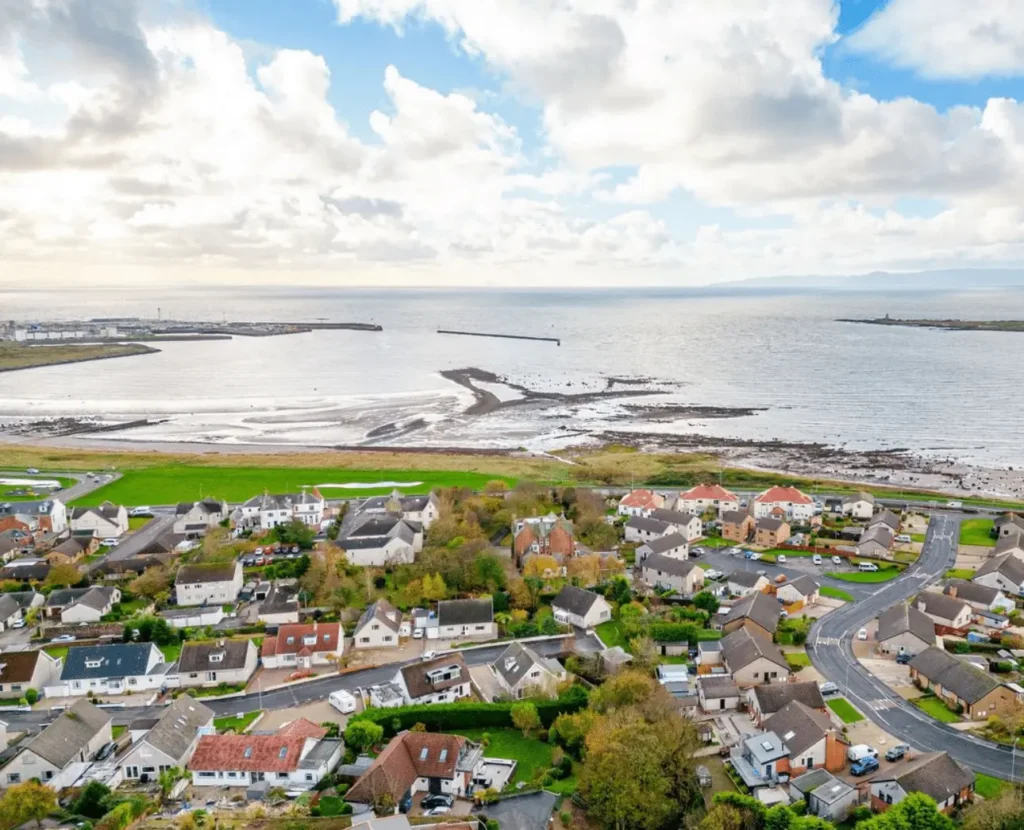
Living in Ardrossan: A Local’s Area Guide
This Week in Property – 9 November 2026

How Much Does It Cost to Sell a House in Scotland? Every Fee Explained
This Week in Property – 2 November 2026
How Much Can a Landlord Increase Rent in Scotland? The 2026 Rules Explained
This Week in Property – 26 October 2026